Does your lawn feel hard underfoot, hold water longer than it should, or seem thin even after watering and feeding? Those are common signs that compacted soil is limiting what your grass can actually use.
Core aeration opens the turf so air, water, and nutrients can reach the root zone more effectively. If your lawn has started to look tired, patchy, or slow to respond, Georgetown Fertilization & Weed Control can help you choose the right timing and treatment approach for Georgetown, TX.
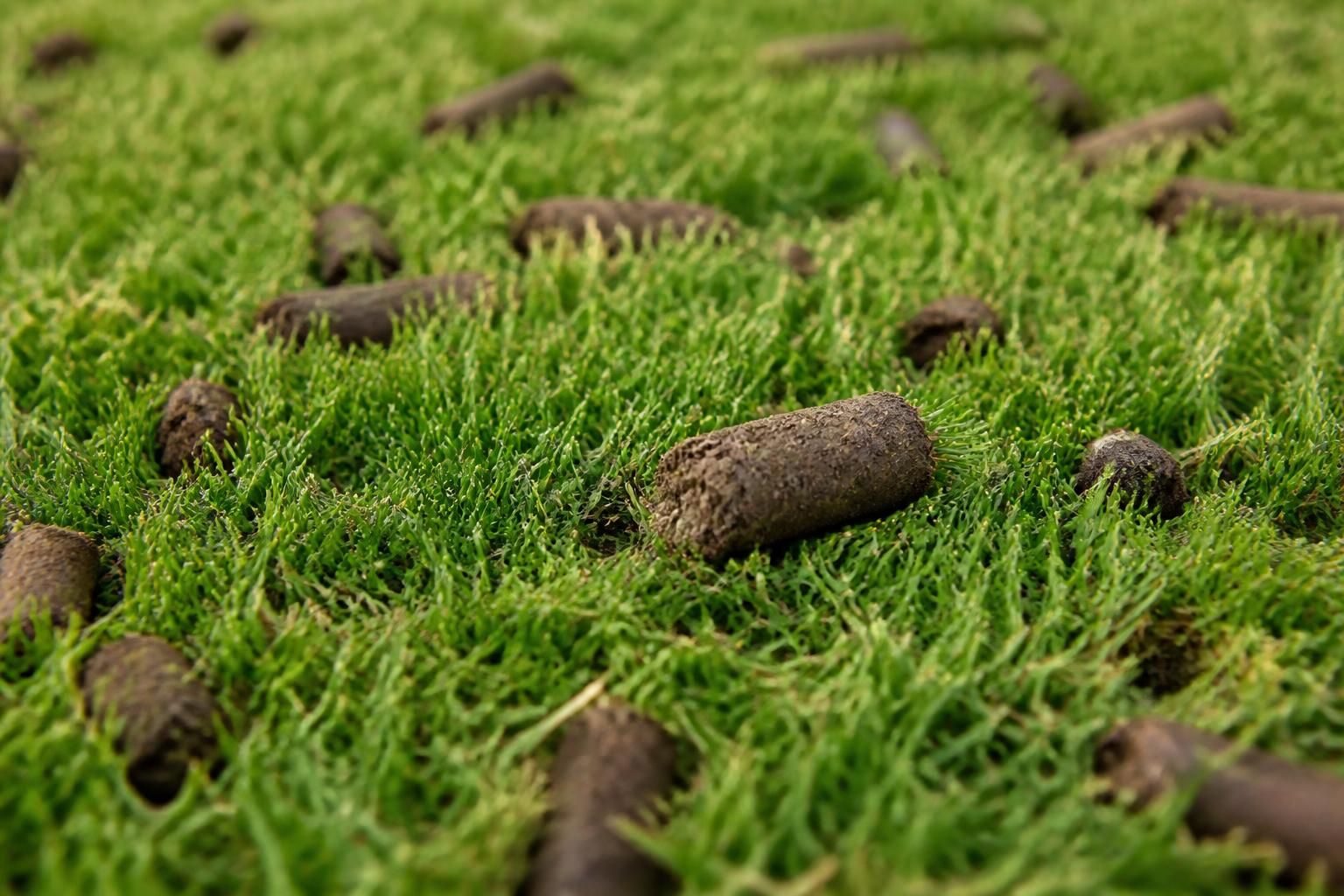
Core aeration removes small plugs of soil from the lawn to create space for roots, moisture, and nutrients. Instead of pressing treatment onto a tight surface, this service gives your turf more access below ground where growth really happens.
For many Georgetown lawns, the issue is not just what is applied above the surface. It is what the soil allows to reach the root system. When soil becomes packed down, grass struggles to spread, and routine care can seem less effective than it should. Core aeration helps break that cycle by loosening the root environment without tearing up the whole lawn.
Not every lawn shows compaction the same way. Some properties look thin. Others appear healthy on top but struggle beneath the surface. If you notice any of the following, aeration may be a smart next step.
Georgetown Fertilization & Weed Control often recommends core aeration when a lawn needs more than surface-level treatment. The goal is not just to make the lawn look better for a week or two. The goal is to improve how the soil supports growth.
Core aeration is straightforward, but the timing and follow-through matter. We look at the condition of the turf, the grass type, and the overall care goals before recommending the service.
We begin by looking at how compacted the soil appears, how thick the turf is, and whether the lawn would benefit most from aeration on its own or as part of a broader turf care program.
The aeration process pulls small plugs from the soil to create openings throughout the lawn. Those openings allow water, oxygen, and nutrients to reach deeper where roots can use them.
After aeration, the turf has more room to respond to fertilization and other treatment. This is one reason many homeowners pair the service with seasonal lawn care or turf health programs for a stronger long-term result.
When you schedule core aeration through Georgetown Fertilization & Weed Control, we help make sure the service fits the needs of your lawn rather than treating it like a standalone fix.
Core aeration often works even better when it is part of a broader lawn care plan. Different treatments serve different purposes, and combining the right ones can help your grass recover and fill in more effectively.
For many Georgetown lawns, this combined approach makes more sense than treating one symptom at a time. A thin lawn may need nutrients, weed suppression, and improved soil access all at once.
Not every lawn develops compaction for the same reason. Some lawns see it from regular foot traffic. Others deal with dense soil that naturally limits root spread. The grass type also matters because different warm-season grasses respond differently to treatment.
Bermuda, St. Augustine, and Zoysia lawns can all benefit from improved soil access when compaction is holding them back. The response will vary, but the shared need is the same: roots need space and resources to grow.
When soil is tight, roots often stay shallow. That makes the lawn more sensitive to stress and less able to use fertilizer and irrigation well. Aeration creates pathways that give the turf a better shot at steady growth.
At Georgetown Fertilization & Weed Control, we look at the lawn as a whole system. Grass, soil, sun exposure, and irrigation all influence whether aeration will produce a noticeable change.
After core aeration, the lawn may look slightly uneven for a short period because of the soil plugs left behind. That is normal and part of the process. As the plugs break down, they return organic material to the turf and help the soil loosen over time.
Homeowners often notice that water begins to absorb more evenly, the lawn feels less dense, and treatment seems to reach the turf more effectively. The improvement is not always instant, but aeration can create the conditions for steady progress.
Lawns across Georgetown, TX are not all working with the same soil conditions or care patterns. Some properties stay busy with daily use. Others receive regular watering but still struggle to thicken. Core aeration helps when surface care alone has not been enough.
Because Georgetown Fertilization & Weed Control focuses on turf care, we can keep the attention on what your lawn actually needs rather than pushing unrelated outdoor services. That makes it easier to build a plan around thickness, root growth, and better soil access.
If your lawn has been slow to improve despite your effort, aeration may be the missing step that helps the rest of your care routine work better.
If the soil feels hard, water does not soak in well, or the turf stays thin even with regular care, compaction may be limiting root growth.
Yes. Aeration helps create better conditions for roots to expand and for the lawn to respond to fertilization and other turf care.
It is normal to see soil plugs on the surface after the service. They break down over time and become part of the soil again.
Often, yes. Aeration can make fertilization more useful by helping nutrients reach the root zone more directly.
Not every lawn needs it at the same time. The right choice depends on soil density, turf condition, and how the lawn has been responding to care.
The right timing depends on the lawn’s condition and the level of compaction. Some lawns need it more often than others, especially when the soil is dense or the turf is under stress.
If your grass is struggling to absorb water, respond to treatment, or fill in the way you want, core aeration may be the step that changes the outcome. Georgetown Fertilization & Weed Control offers core aeration for homeowners throughout Georgetown, TX who want a lawn that has a better chance to grow thicker and stronger.
Call +15123550006, email greenenvylawnstx@gmail.com, or visit us at 2300 Scenic Dr, Georgetown, TX 78626 to get started.
Get a Healthier Lawn
Tell us about your grass type, weed concerns, and lawn goals. We will help you choose a fertilization and weed control program that fits your property and the seasons ahead.