When grass stays thin, weeds keep returning, or fertilizer seems to do little, the real problem may be hiding below the surface. A lawn can look inconsistent for many reasons, but soil conditions often explain why certain areas struggle while others respond a little better.
Soil testing gives you a clear starting point. At Georgetown Fertilization & Weed Control, we use soil testing to help homeowners understand what their lawn actually needs before making the next treatment decision.
Soil testing helps reveal the conditions that shape how your grass grows. Instead of guessing why your lawn is slow to green up or why weeds keep filling open spots, we look at the soil itself and use that information to guide a more targeted lawn care approach.
A helpful test can show whether the ground needs a different fertilization approach, whether certain areas may benefit from overseeding, or whether compacted turf is limiting results from your current care routine. For Georgetown lawns, that kind of clarity matters because warm-season grass responds much better when the treatment plan matches the soil conditions.
Some lawns make the need obvious. Others just seem to underperform no matter how often they are watered or treated. Soil testing is worth considering when your yard keeps giving you the same frustrating results season after season.
If one section of grass looks fuller while another stays thin, the difference may come from the soil beneath it rather than the grass itself.
When weeds come back quickly, the lawn may not be dense enough to compete. Soil conditions can play a major role in turf thickness.
If applications are not delivering the color or growth you expect, the lawn may need a more specific nutrition approach based on testing results.
When turf struggles to bounce back after hot or dry stretches, the soil may not be holding nutrients or moisture the way it should.
Georgetown Fertilization & Weed Control uses soil testing as a practical planning tool, not as a standalone formality. The goal is to make sure the next step makes sense for your lawn instead of relying on guesswork.
Soil testing is most useful when the findings are translated into a lawn care plan that fits the property. We review the results and use them to guide fertilization, weed control timing, overseeding decisions, and long-term turf health recommendations.
Different lawns respond to different nutrient patterns. Testing helps determine whether your turf needs a more balanced feeding approach, a change in application timing, or a program that supports stronger root development rather than fast, temporary growth.
Weeds often take advantage of thin or stressed turf. When the soil tells us the lawn is struggling, we can build weed control around the actual condition of the grass, not just the visible weeds on the surface.
If your lawn has areas that need filling in, soil testing can help determine whether overseeding is a smart next step. Healthy seed establishment depends on more than seed quality alone, and the soil needs to support root development from the start.
Soil testing is about gathering the right information so your lawn care choices make sense. For Georgetown lawns, we focus on the factors that most often affect turf performance and long-term appearance.
That kind of insight is especially helpful when you are trying to build a lawn care plan that lasts. A one-time treatment may improve the look for a short while, but soil-focused planning gives the yard a stronger foundation for the long run.
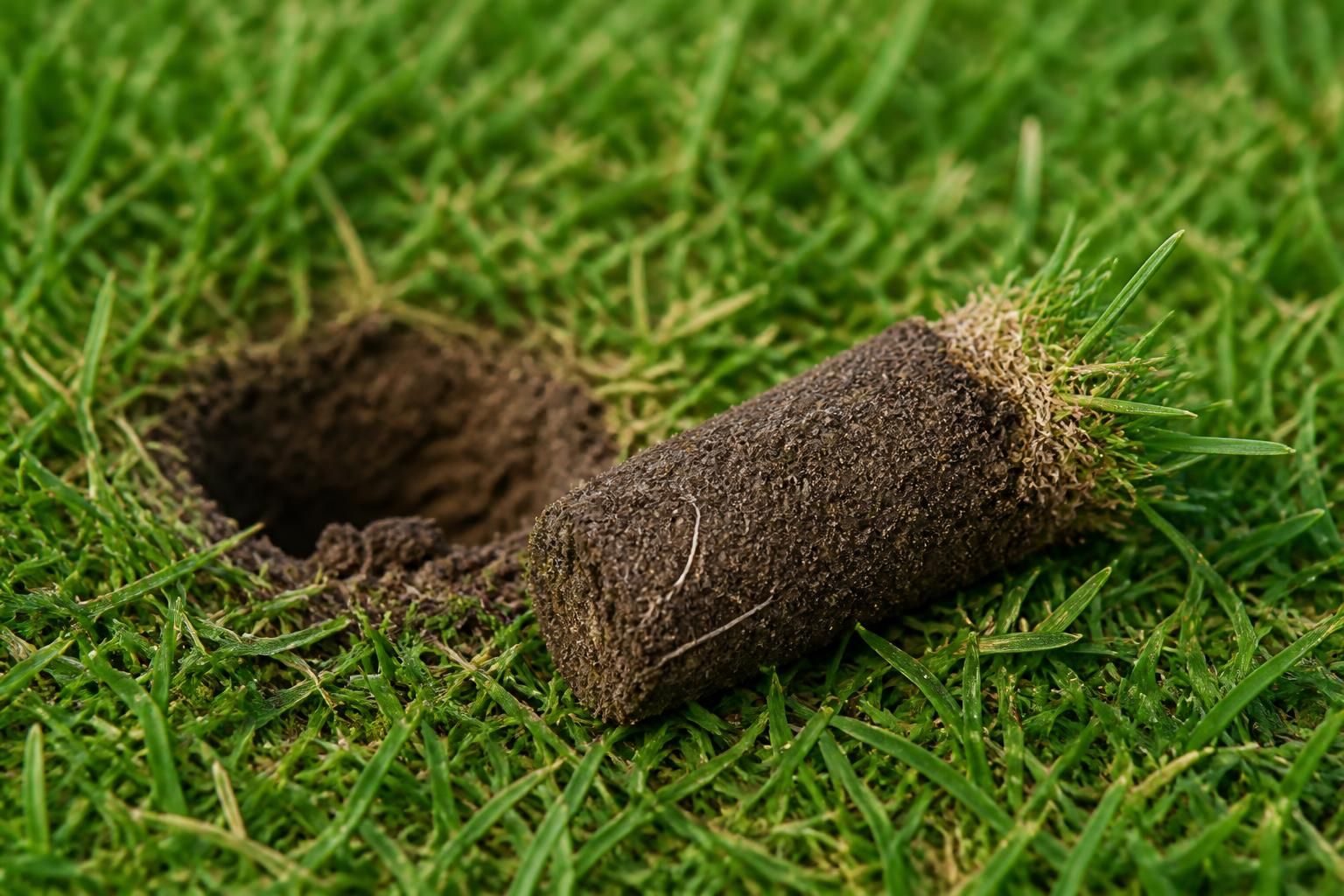
Soil testing and core aeration often work well together. If testing suggests the lawn is limited by poor soil conditions, aeration can help relieve compaction and make it easier for water, air, and nutrients to reach the root zone.
Many Georgetown lawns struggle not because they lack attention, but because the turf is sitting on ground that has become too dense for strong root activity. When that happens, testing helps identify the issue and aeration helps create better growing conditions.
Georgetown Fertilization & Weed Control can use the test results to decide whether your lawn would benefit more from a nutrient adjustment, aeration, or a combination of services.
Georgetown lawns are often made up of warm-season grasses that look great when they get the right support. But even resilient turf can struggle when the soil is not working with it. Soil testing helps align your lawn care with the conditions your grass is actually growing in.
Whether your lawn is Bermuda, St. Augustine, Zoysia, or another common warm-season grass in Georgetown, the right treatment approach starts with knowing what is happening below the surface. That is how you avoid overfeeding one area, underfeeding another, or chasing weed problems without addressing the cause.
For homeowners who want a cleaner, more predictable lawn care plan, this step can make every future treatment more meaningful.
Soil testing should feel straightforward. We keep the process focused on collecting useful information and turning it into action you can understand.
We look at the lawn areas that are thin, stressed, or not responding as expected.
We assess the condition of the soil so we can determine what may be limiting turf performance.
We use the findings to shape fertilization, weed control, overseeding, or aeration recommendations.
We help you move from trial-and-error treatments toward a lawn care approach that fits the property.
That process is useful for homeowners who want more than a one-time answer. It creates a path forward for the lawn instead of leaving you to guess at the next step.
Soil testing helps identify whether the lawn is missing key support from the soil, which can affect growth, color, thickness, and weed pressure.
Yes. A lawn that is thin or underperforming gives weeds more room to spread. Testing helps us understand whether poor soil conditions are part of the reason.
That is often a smart place to start when a lawn has repeated trouble or when previous fertilization has not delivered the results you wanted.
No. Soil conditions can vary from one yard to another, and even from one area of the same property to another. Testing helps avoid one-size-fits-all treatment.
Yes. If parts of the lawn need filling in, soil testing can help determine whether the ground is ready to support seed establishment.
It gives your lawn care program a stronger starting point so later treatments can be based on what the turf and soil actually need.
If your lawn has been hard to improve, soil testing can point you toward the reason and help you avoid more guesswork. Georgetown Fertilization & Weed Control uses soil testing to guide practical lawn care decisions for Georgetown, TX homeowners who want better results from their fertilizer, weed control, overseeding, and aeration services.
For a lawn that grows thicker and responds more predictably, start by understanding the ground beneath it. We are ready to help you take that first step.
Georgetown Fertilization & Weed Control
2300 Scenic Dr, Georgetown, TX 78626
+15123550006
greenenvylawnstx@gmail.com

Get a Healthier Lawn
Tell us about your grass type, weed concerns, and lawn goals. We will help you choose a fertilization and weed control program that fits your property and the seasons ahead.